Tokyo is easier to enjoy when the day fits you. You might want to avoid stairs, use a wheelchair, take regular seated breaks or simply explore without rushing. These are different needs, and a comfortable private tour starts by understanding yours.
I’m Renaud, the founder of Japan BTO. When planning a day together, I start with what you want to discover and what makes an outing comfortable for you. I would rather choose a few places you can enjoy properly than fit five districts into a day that leaves you exhausted. The route, transport and pauses should all support that choice.
What does an accessible Tokyo tour mean for you?
A slower pace and a route suitable for a wheelchair are not necessarily the same thing. Tell me whether you need step-free access throughout, can manage a few steps, or mainly want to limit walking and standing. If you use a wheelchair or mobility scooter, its dimensions and weight can affect transport and venue choices; whether transfers are possible matters too.
It also helps to know your comfortable walking distance, how often you would like to sit down, and whether crowds, heat or noise affect the day. You do not need a finished itinerary. Practical details about what works for you are the best starting point.
My approach: choose the places that matter most to you, check the access needed for those stops, and leave room to shorten the route. A coffee break belongs in the plan from the start.
A gentle day in Asakusa: an example to discuss
Instead of crossing Tokyo several times, we could build a visit around one area. Asakusa offers temple architecture, traditional shops and places to pause. Here is an illustrative plan to adapt together, rather than a route guaranteed to suit every traveler:
- Agree on a suitable meeting point. Check the actual station exit and elevator route, or an appropriate taxi drop-off, before setting out.
- Explore the Sensō-ji area at your pace. Select a few sights around the temple and shopping streets, adjusting the route to the crowds and the surfaces you are comfortable with.
- Take a seated café or lunch break. Check the entrance, seating and any restroom requirements with the venue in advance.
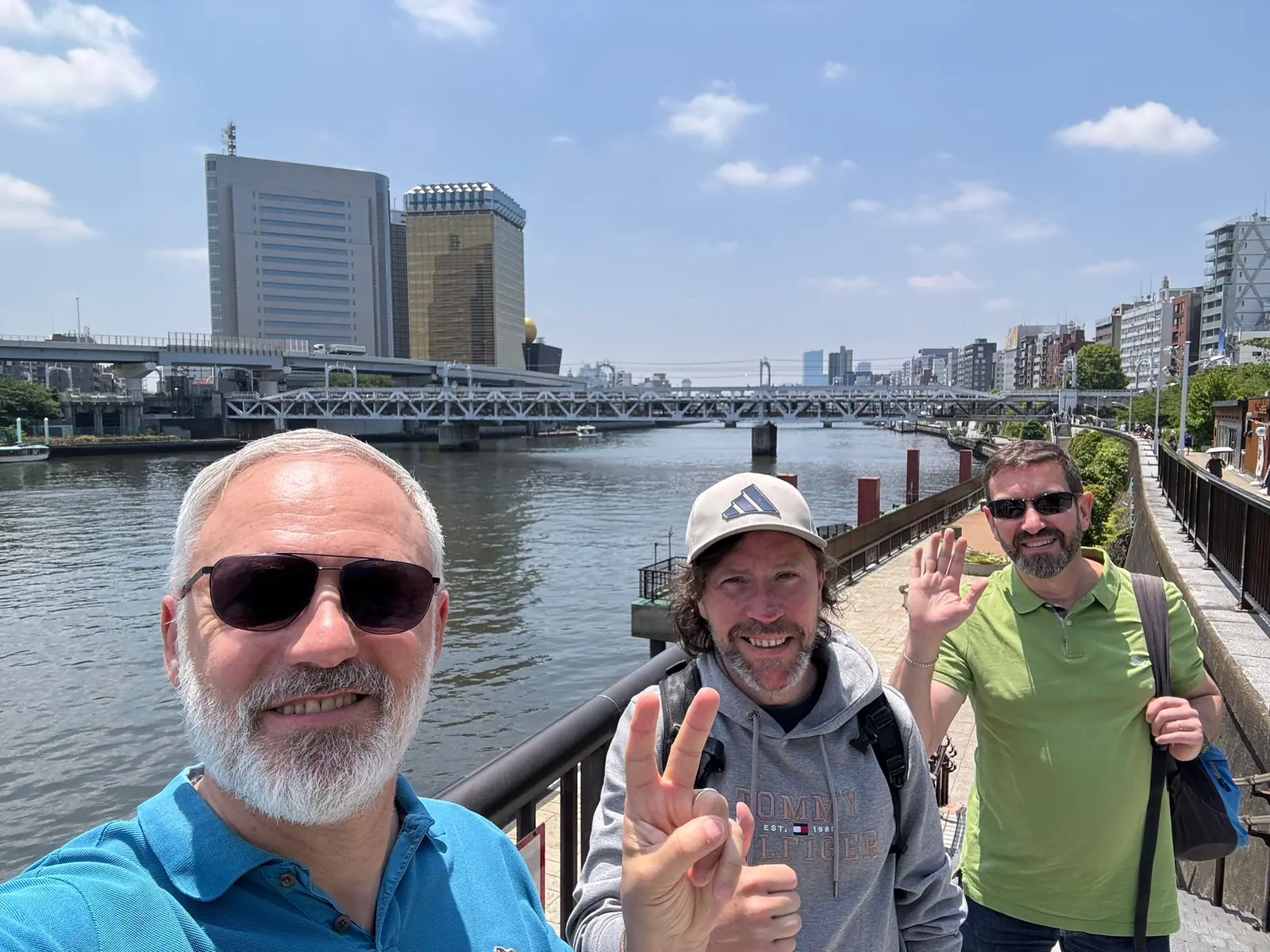
- Choose whether to continue. If you feel like more sightseeing, a short visit toward the Sumida River could be an option after checking the specific route and access to the riverside. Otherwise, finish locally or enjoy a longer break.
We would agree on the distance and likely time on your feet after checking the chosen route. There is no need to add Ueno or Akihabara just because they look close on a map.
Sensō-ji: useful access information
The official GO TOKYO listing for Sensō-ji identifies a wheelchair ramp, an elevator and a multi-purpose toilet. Those facilities are useful starting points for planning; they do not mean every approach, shop or part of the grounds will suit every visitor. Check the facilities you need and their current availability before the visit.
At popular times, the approach and shopping streets can be busy. A broad path can still feel demanding when crowded, and a smaller side street may introduce different surfaces or thresholds. The best choice depends on your needs on the day.
Plan the station journey, not just the train ride
A short ride can involve a long walk underground. Elevators may be some distance from your platform or preferred exit, and changing lines can add more effort than expected.
Use Tokyo Metro’s accessibility facility search to look up equipment at the stations involved. Tokyo Metro also publishes information about barrier-free facilities and scheduled elevator interruptions in Japanese. These resources cover Tokyo Metro; check the relevant operator for JR, Toei or other lines. My Tokyo subway guide explains the wider transport basics.
Taxis can help with a particular transfer, but a standard taxi is not automatically suitable for every wheelchair or mobility scooter. Vehicle space, transfer requirements and the availability of a suitable vehicle need to be checked before relying on that option.
Other neighborhoods: choose for your interests and comfort
Ueno can suit a day focused on a museum and part of the park. Check the actual entrance, paths, slopes and opening hours, rather than assuming the whole area is equally easy to navigate.
Harajuku and Omotesando offer fashion, architecture and cafés, but crowds, changes in level and access to individual shops can affect the route. A wider avenue alone does not guarantee a suitable outing.
Shinjuku and Shibuya can still be part of the plan if they are important to you. I would focus on a few selected stops and avoid unnecessary station transfers. Seeing one landmark comfortably can be more rewarding than attempting every sight nearby.
Make breaks and restrooms part of the itinerary
A useful break offers somewhere you can actually sit and feel comfortable. For a café or restaurant, that means considering steps at the entrance, space around the table and whether waiting outside is likely. Having a second option helps if a place is full.
Likewise, the presence of a restroom does not establish that it meets your access needs. Check the type of facility, its location and any equipment you rely on. Plan these stops before they become urgent.
In hot, rainy or cold weather, an indoor stop may be more useful than another outdoor highlight. The length of the booking alone does not tell you how demanding a tour will be: distance, surfaces, standing time, transport and breaks all count.
What to tell me before booking
- Your preferred date, group size and the places you would most like to see.
- The amount of walking and standing that feels comfortable, and whether stairs are possible.
- Any mobility equipment and the practical access requirements that affect the route.
- Your need for seated breaks, suitable restrooms or quieter surroundings.
- Your accommodation area and any transport preferences.
We discuss these details before confirming the tour. Step-free access, suitable transport and specific facilities need to be checked for the agreed plan. If you need personal assistance with transfers, mobility equipment or a specialized vehicle, raise that early so we can check whether the proposed tour is suitable and what would need to be arranged separately; these should not be assumed to be included in a guiding booking.
Explore Tokyo with a private guide, at your own pace
Our Tokyo Private Tour: Temples, Culture & Modern City Highlights is a starting point for a personal conversation. Tell me what you are excited to see and what would make the day comfortable. Together, we can choose a realistic route and confirm what is feasible before you book.
The aim is simple: time to enjoy Tokyo, with the practical details considered and enough flexibility to take a break when you want one.