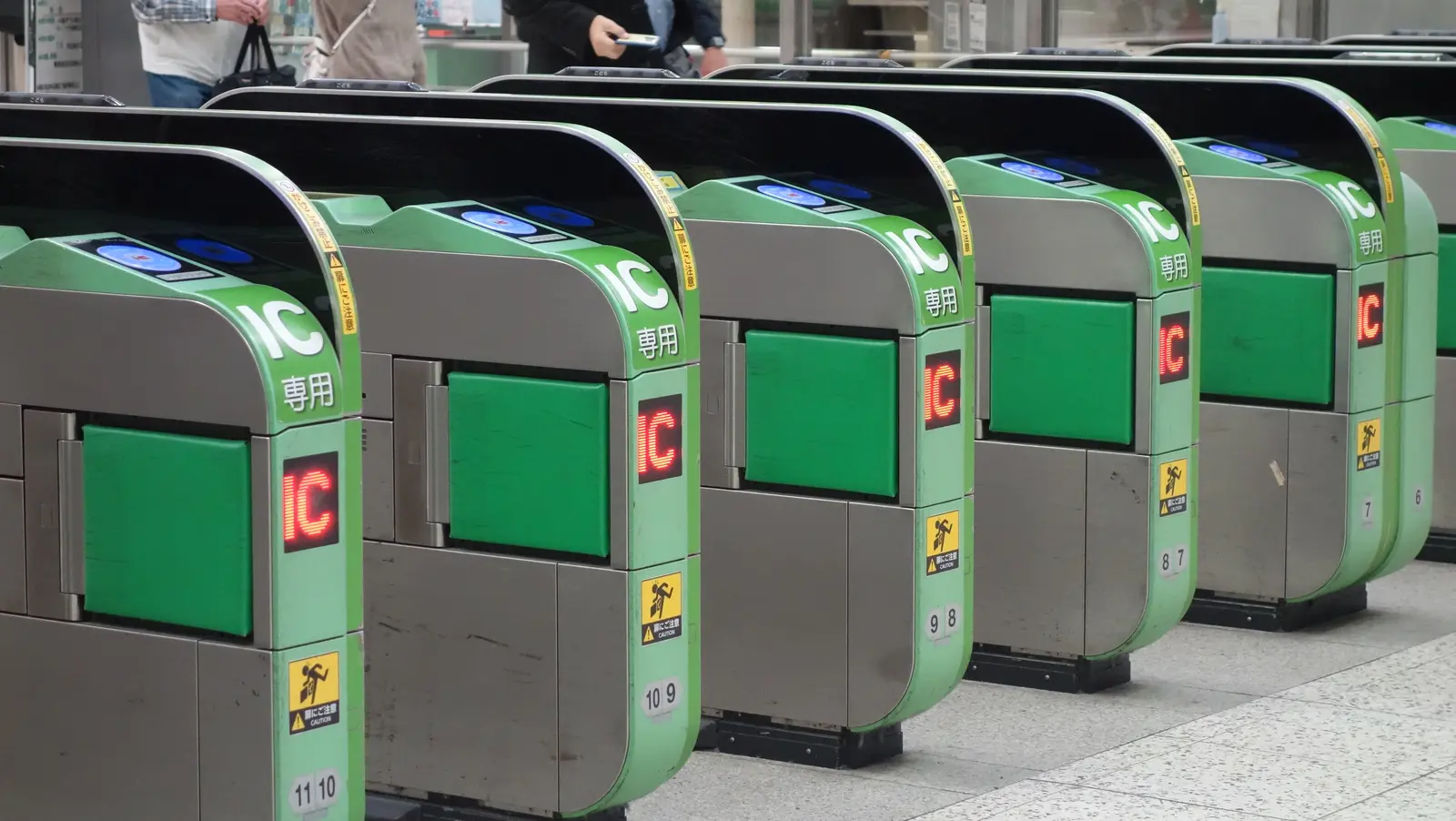

Tokyo’s subway looks intimidating on a map because it is dense, colourful and full of station names that can seem to repeat themselves. In practice, learning how to use the Tokyo subway is less about memorising lines and more about making a few good decisions before you pass the ticket gates. Once you know which station entrance to use, how transfers work and when to stop relying on a landmark alone, the system becomes one of the easiest ways to move around the city.
Start with the right expectation
When visitors say “the Tokyo subway”, they often mean all trains within central Tokyo. Technically, the subway is run by two networks: Tokyo Metro and Toei Subway. But your route may also use JR East commuter lines, private railways or above-ground trains. That is normal. A trip from Asakusa to Shibuya, for example, can use a subway line, while a route between Shinjuku and Harajuku may be quicker on JR.
The useful question is not “Which company operates this train?” It is “Which route gets me where I want to go with the least hassle?” A route with one easy transfer is often better than one that saves three minutes but sends you through a huge station at rush hour.
Tokyo station names also deserve a little respect. Shinjuku, Shinjuku-sanchome and Seibu-Shinjuku are all in the wider Shinjuku area, but they are not the same station. They may be walkable from one another, though the walk can take longer than expected, especially with luggage or tired children. Check the exact station name, not only the neighbourhood.
Use an IC card if you can
A prepaid IC card such as Suica or PASMO makes travelling around Tokyo much easier. Simply tap in when you enter the station and tap out when you leave. The fare is deducted from your balance.
If you have a compatible iPhone, you can add Suica or PASMO directly to Apple Wallet without buying a physical card. Open Wallet, tap +, choose Transit Card, then select Suica or PASMO and follow the instructions. You’ll need an eligible payment card to add money.
With Express Mode enabled, you can tap your iPhone at the gate without unlocking it. Use the same card and device when entering and leaving, and check your balance before travelling.
Prefer a physical card? That works too. Paper tickets are also available, but remember to keep yours until you exit at your destination.
Suica and PASMO are also handy for everyday purchases. You can use them at many drink vending machines and convenience stores, known as konbini, with either your physical card or your iPhone. Look for the Suica, PASMO or compatible IC payment symbol before paying.
With a paper ticket, the gate will take it at the end of the journey. With an IC card or iPhone, tap firmly enough for the reader to register. If the gate closes, do not force your way through it. Step aside and speak to the station staff at the nearby window. This happens to locals too.
What if your fare is wrong?
Do not worry if you bought a ticket for too little. Look for a fare adjustment machine before the exit gates, usually marked in English. It will calculate the difference. If you are unsure which machine to use, station staff are used to helping travellers with exactly this problem.
How to use route planners well
Google Maps and other transit apps are genuinely useful in Tokyo, particularly for live departure times, platform information and alternative routes. The trick is not to follow them blindly.
Before leaving your hotel or starting a day out, look at three things: the line name and colour, the final destination shown on the train and the number of transfers. The final destination matters because it is what you will see on signs and platform displays. You might be taking the Ginza Line, for instance, but the train itself will be labelled for Shibuya or Asakusa.
If an app gives you several routes, choose according to the day you are having. With fresh energy and a light bag, a transfer at a major station is fine. After several hours around Ueno or a long dinner in Shinjuku, the route with fewer stairs and fewer decisions may be worth a few extra minutes.
Some apps tell you which car is closest to your transfer or exit. It is helpful, but not worth sprinting through the carriage to achieve. Get on comfortably, then follow the signs after you arrive.
At the station, follow colours, letters and numbers
Tokyo subway stations are well signed in English, but they are large enough that you need to read the full sign. Each line has a colour, a letter and numbered stations. This is more useful than trying to recognise Japanese characters at speed.
Once you are through the gate, follow signs for your line and direction. Platforms usually show the next few stops, the train’s destination and which side the doors will open. Screens may also display whether an approaching train is a local, rapid or another service type. On the subway this is usually straightforward. On some connected rail lines, however, express services may skip stops, so check the screen rather than assuming every train stops everywhere.
Your first journey: Ueno to Asakusa
Heading to Senso-ji? Here’s an easy journey with no transfers:
- At Ueno, follow the orange Ginza Line signs, marked G16.
- Tap your card or iPhone at the entrance gate.
- Follow the platform signs for Asakusa.
- Get off at Asakusa, G19, three stops later.
- Tap out with the same card or device, then follow Exit 1 towards Kaminarimon and Senso-ji.
The line, the direction and the exit: those three details matter more than memorising the whole network.
Escalators
In Tokyo, you’ll often see people standing on the left while hurried commuters pass on the right. This remains a common habit, although Tokyo Metro’s safety guidance is to stand still and hold the handrail. Follow the station signs and keep the entrance and landing clear.
Transfers are normal, but stations vary wildly
A transfer can mean crossing the platform in two minutes, or walking several underground corridors with different signs and a surprising number of exits. Shinjuku, Tokyo, Shibuya and Ueno are the stations where first-time visitors are most likely to feel temporarily defeated.
The answer is to make each transfer smaller. When you leave a train, look first for the sign naming your next line. Do not search for the street exit yet. Follow the line colour and letter until you reach the next platform, then confirm the direction by checking the destination station on the display.
Allow extra time when changing between companies. A transfer between Tokyo Metro, Toei, JR or a private railway may involve separate gate areas, even if the stations are connected underground. Your IC card handles this neatly, but the physical walk still takes time.
If a station feels confusing, do not keep walking in the hope that it will reveal itself. Stop near a map or information point. Tokyo’s transit system is orderly, but its biggest stations are closer to small underground neighbourhoods than simple platforms.
The exit number matters more than you think
This is the habit that makes Tokyo much easier: look up the best exit before you arrive.
A single subway station can have dozens of exits leading to different blocks. Leaving from the wrong one may put you across a major road, on the far side of a park or ten minutes from the restaurant you thought was next door. Your map app may identify a recommended exit, and station signs often list nearby landmarks, streets and attractions.
This matters particularly in areas with several connected stations. In Asakusa, the nearest exit depends on whether you are heading towards Senso-ji, the Sumida River or a particular café. In Omotesando and Harajuku, it can decide whether you emerge into a quiet backstreet or directly beside a major intersection.
Do not treat the subway as a replacement for walking. It works best as part of a sensible route. Two stops may be faster on foot once you account for stairs, gates, underground passages and finding the correct exit. On a private day out, we often combine trains with short walks because the street between neighbourhoods is sometimes the interesting part.
Timing: rush hour and the last train
Morning and evening rush hours are real, especially on weekdays. If you can avoid the busiest commuter periods, do. If you cannot, put bags in front of you, board promptly and expect close quarters. This is not the moment to reorganise your daypack or debate the dinner plan in the doorway.
For evenings out, check your final train before you settle into the second or third bar. Tokyo is a city that runs late, but trains do not run all night. Last-train times vary by line, destination and day, so verify the route for the actual date rather than relying on a general rule. A taxi may be the sensible fallback, but it should be a choice, not an accidental surprise.
A little subway etiquette goes a long way
Let passengers exit before boarding. Keep conversations at a reasonable volume. Put your phone on silent mode, and avoid taking calls in the car when possible. Priority seating is clearly marked, and it is best left available for people who need it.
Eating a quick snack is not treated the same way as it might be on some long-distance trains, so save messy food for outside the station. Drinking from a bottle is usually fine. Above all, make space. Tokyo trains carry an extraordinary number of people, and the shared choreography works because everyone makes small adjustments for one another.
You do not need to become a transit expert before arriving. You need a charged phone, a payment method that works, enough time for the occasional wrong exit and the confidence to ask for help when a route stops making sense. The subway is not a test. It is simply how Tokyo gets around.
If you’d like a little help on your first day in Tokyo, exploring with a private guide is a great way to get your bearings. Along the way, you’ll learn how to use the trains, find the right exits and pick up local tips that make the rest of your stay easier.