A good Tokyo cultural tour is not a race between a temple, a crossing, and a photo stop before lunch. It is a day that makes Tokyo feel less intimidating and more connected: why people pause at a shrine gate, how an old shopping street still works, where quiet residential lanes begin just beyond the crowds, and why a convenience-store snack can tell you something about daily life.
Tokyo can look overwhelming on a map. In person, it becomes manageable when the route has a clear rhythm. A private cultural day should combine places that belong together, leave time for questions, and accept that a smaller number of meaningful stops is better than collecting neighborhood names.
Culture Is More Than the Famous Sights
Temples and shrines are a natural starting point, especially for a first visit. They offer history, architecture, seasonal rituals, and a useful contrast to the towers and train lines around them. But they work best when they are part of a wider picture.
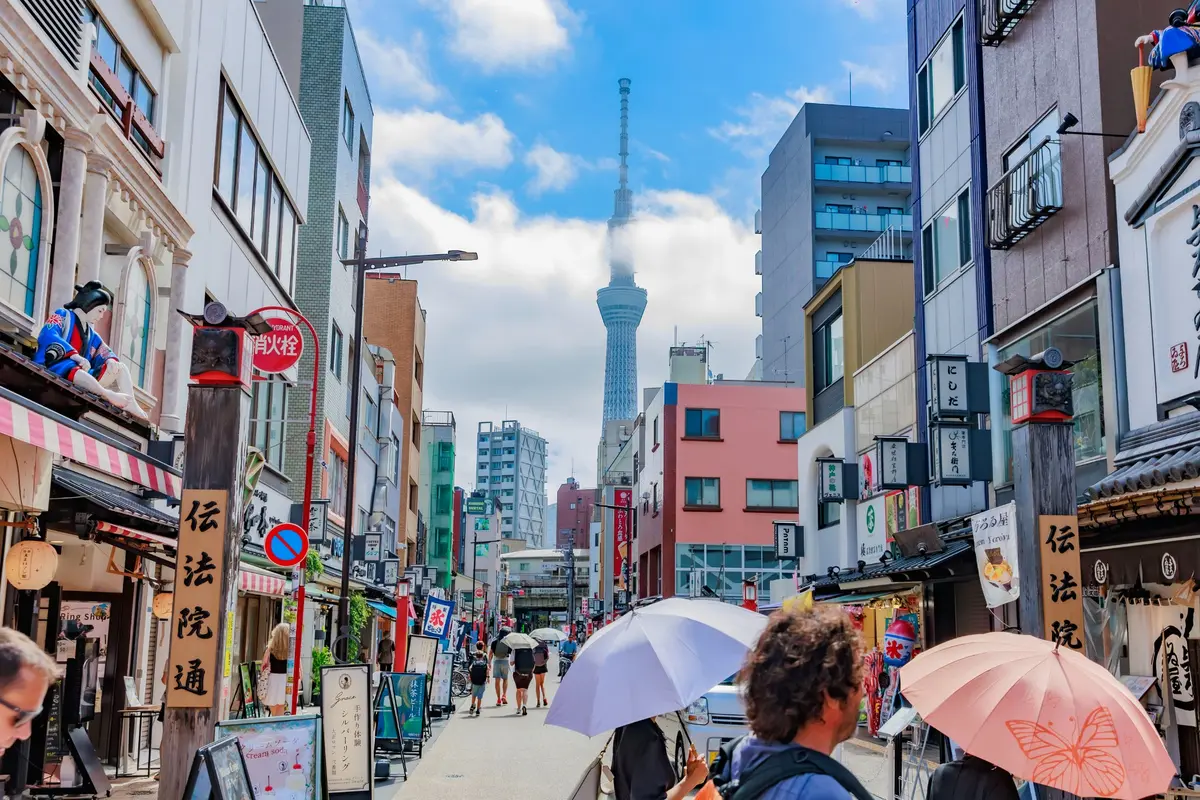
In Asakusa, for example, a major temple can lead naturally into older streets, small food counters, craft shops, and the practical routines of a busy neighborhood. Ueno can pair museum-minded interests with a park, market streets, and the atmosphere around one of Tokyo's major transit hubs. Neither area needs to be treated as a museum display case. People live, work, shop, commute, and meet friends there.
That is the difference between seeing a landmark and understanding its place in the city. A guide can explain the basic etiquette without turning a short visit into a lecture: how to approach a shrine or temple respectfully, what an ema is, why incense is present, and which details are worth noticing. The aim is to make you comfortable enough to look around with curiosity.
Contemporary Tokyo belongs in the same conversation. Harajuku and Omotesando show different sides of youth culture, design, retail, and architecture within a short distance. Shibuya reveals how a major commercial district functions beyond its famous crossing. Akihabara can be fascinating for visitors interested in games, electronics, anime, or the particular logic of specialized retail. These are not interchangeable stops, and a good route does not pretend they are.
Build the Day Around Your Curiosity
The most satisfying cultural routes begin with a simple question: what are you actually curious about? “Japanese culture” is broad enough to cover religion, food, gardens, fashion, postwar architecture, pop culture, crafts, neighborhood life, and the etiquette of a packed train platform. No four-hour walk can cover all of that honestly.
For a first-time visitor, an introduction to traditional and modern Tokyo may be the right balance. A route might move between a historic district and a contemporary area, with public transportation tying them together. For a returning visitor, the focus could be more specific: local food traditions, quieter streets near well-known areas, architecture, or the everyday details that larger group tours often pass by.
Families and multigenerational groups usually benefit from a route with shorter walking stretches, regular breaks, and fewer hard deadlines. A couple may prefer more time in a neighborhood that suits their interests, whether that means design shops, a garden, or a relaxed lunch. Solo travelers often appreciate the confidence that comes from learning how to use the system and orient themselves for the rest of their stay.
There is no prize for visiting Asakusa, Ueno, Shinjuku, Shibuya, Harajuku, Omotesando, Akihabara, and the Imperial Palace area in one day. That would mostly be a lesson in train transfers. The right areas depend on the tour length, your pace, weather, opening hours, and how long you want to linger when something catches your attention.
Let food play a supporting role
Food stops can add real cultural context, but they should suit the day rather than interrupt it. A quick local snack can be more useful than a formal meal when the route is active. On another day, a seated lunch may offer a welcome pause and a chance to discuss what you have seen.
It also helps to be realistic about costs and preferences. Meals, drinks, transportation, and admission charges may be separate depending on the arrangements. Dietary needs can often be discussed in advance, but specific options should be checked rather than assumed. Tokyo is generous to curious eaters, though it is not always as easy to navigate as a menu full of familiar labels suggests.
Walking and Trains Are Part of the Experience
A private cultural tour in Tokyo generally makes sense on foot and by public transportation. That is not a compromise. Walking reveals the changes between districts: a narrow lane behind a busy avenue, a tiny shrine near an office building, a neighborhood bakery, a row of bicycles outside a school. On the train, you see how Tokyo connects itself.
Still, walking distance matters. Tokyo blocks can be long, stations can be large, and a supposedly simple transfer may involve several flights of stairs and a fair amount of underground navigation. A thoughtful itinerary accounts for this from the beginning rather than announcing a “flexible” day and hoping everyone keeps up.
Tell your guide how you like to travel. If you enjoy a steady walking day, that opens more possibilities. If you have young children, limited mobility, jet lag, or simply prefer a calmer pace, say so. The route can then prioritize depth over distance. It is better to enjoy two areas properly than arrive exhausted at a third.
New to Tokyo’s transport? Our practical guide to using the Tokyo subway explains IC cards, line signs, transfers and exits before your first journey.
Why Private Changes the Experience
Private does not have to mean formal. It means the day is designed for your group rather than built around the average stranger. You can ask the question that would feel too small in a large group: Why are there so many vending machines here? What is that sound from the shrine? Which train sign matters? Is this neighborhood always this quiet?
It also gives the day room to adjust. Perhaps you want to spend longer at a temple, stop for coffee, skip a shopping street, or change direction because the weather has turned. Flexibility has practical limits - reservations, transit time, crowd levels, and closing times still exist - but a private route can respond far more naturally than a fixed coach itinerary.
For many travelers, the real value is not just explanation. It is reducing the little frictions that can make an unfamiliar city tiring: choosing the right station exit, understanding when shoes come off, recognizing when a queue is worth joining, and knowing when it is perfectly fine to walk away.
Questions Worth Asking Before You Book
Before arranging a cultural tour, ask how long the experience lasts, whether it is private for your group, and how the route will be shaped around your interests. Confirm the meeting arrangements for your exact location rather than assuming hotel pickup is available everywhere. If a particular sight matters to you, mention it early so timing, closures, and travel time can be considered.
You should also clarify what is included and which expenses are separate. This is particularly useful for transit, food, attraction admission, and any special requests. Clear expectations make for a relaxed day, which is rather the point.
Language can matter too. Japan BTO can arrange private day tours in English, French, Japanese, and Spanish, subject to guide availability and the details of your request. A personal confirmation is the sensible starting point, not an automatic promise based on a calendar click.
A Cultural Day That Stays With You
The strongest Tokyo cultural tour usually leaves you with more than photographs of major sights. You may remember the change in atmosphere after leaving a crowded street, the careful order of a station, the smell near a food stall, or the small practical confidence of finding your own way back later.
That is the useful kind of cultural understanding: not a list of facts to repeat, but a clearer sense of how Tokyo fits together. If you are planning a private day and want help shaping a route around your interests and pace, Japan BTO can discuss what is realistic before confirming availability.