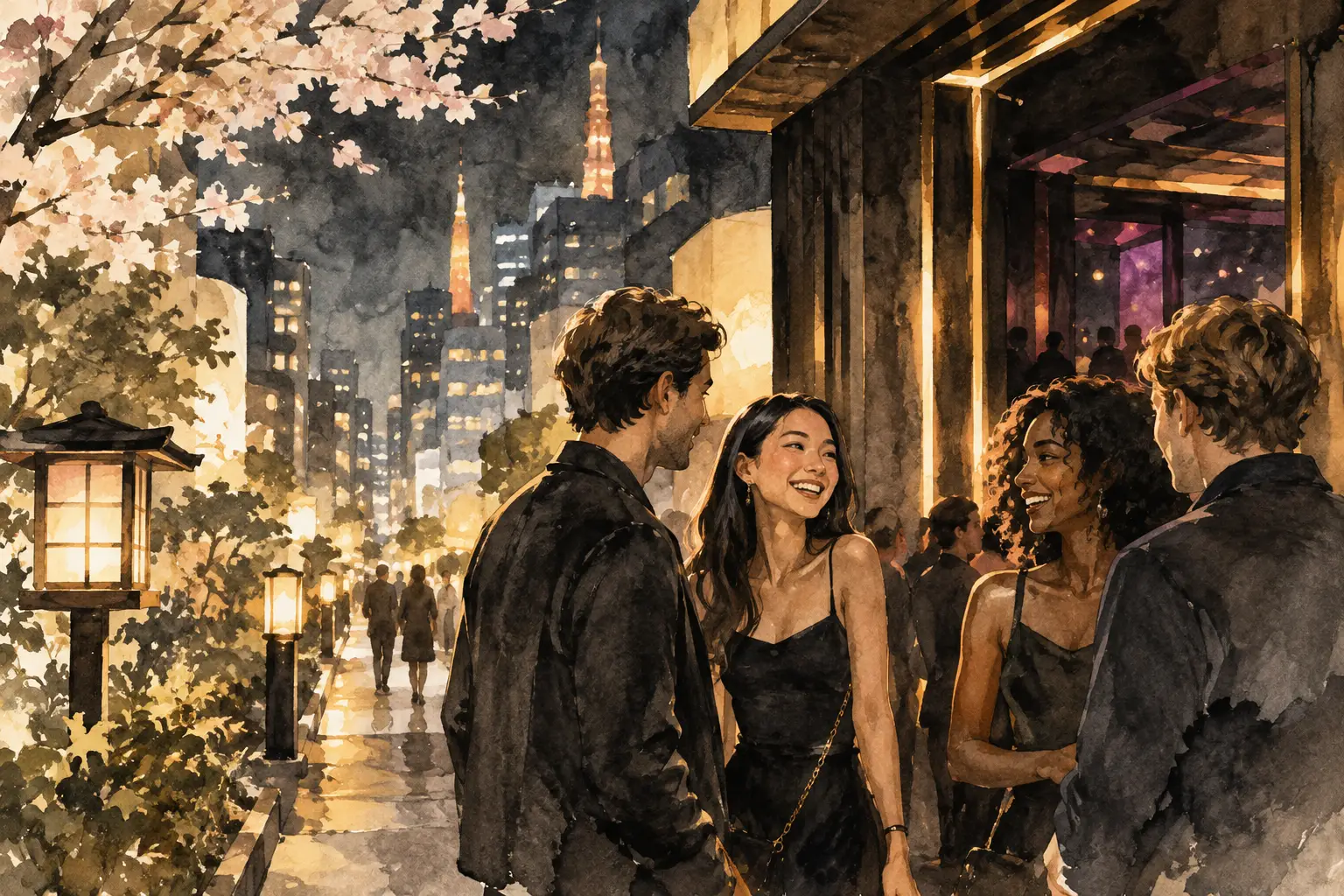
Shibuya at midnight can feel wonderfully open: music spilling from upper floors, groups deciding where to go next, and taxi lines forming under the bright signs. But are Tokyo nightclubs foreigner friendly? The honest answer is yes, often - with a few important qualifications that are easier to understand before you are standing at the door.
Tokyo has plenty of clubs where international visitors are ordinary customers, not a novelty. It also has small, local-facing venues with limited English, strict door policies, or an atmosphere that simply works better for regulars. Neither type is automatically good or bad. The difference is knowing what kind of night you want and choosing a place that fits it.
Are Tokyo Nightclubs Foreigner Friendly? It Depends on the Door
A club may welcome foreign guests and still ask for identification, enforce a dress code, charge a cover, or decline entry once it is full. Those are normal nightclub decisions, not necessarily a statement about where you are from. Bring your physical passport. A photo on your phone may not be accepted, and Japanese venues commonly check ID even when a guest clearly looks over 20.
The less comfortable situations tend to be more practical than dramatic. A tiny bar-club may have no English-speaking staff and no interest in explaining its system. A venue may only admit people with a Japanese-speaking companion, especially if staff have had trouble communicating rules in the past. Some doors are selective about group balance, intoxication, clothing, or the general mood of a group. Nightlife is not a public service counter, and staff often make quick judgments.
That can feel frustrating when you have traveled a long way. Still, it is worth separating a difficult door from a verdict on Tokyo. There are many alternatives within a short walk in Shibuya, Shinjuku, and Roppongi. A good evening does not depend on winning entry to one specific room.
The fox’s tip: bring an open mind
In my experience, feeling comfortable in a Tokyo club depends as much on your mindset as on your Japanese. Speaking the language helps you understand the atmosphere and start conversations, but you do not need to be fluent to have a good night. Come with curiosity, without expecting everything to work exactly as it does back home.
Be polite, listen to the staff and respect the venue’s rules. Many Tokyo clubs welcome guests from all over the world; an awkward exchange can simply reflect a language barrier, rather than an unfriendly welcome.
If communication becomes difficult, do not push or insist. Choose somewhere you can communicate more easily in English and enjoy the evening. I would suggest WARP, RAISE, Zouk Tokyo or CÉ LA VI TOKYO as places to consider. English proficiency varies between staff members and nights, so mention your language needs when booking. The point is to find a place where you feel at ease and have a great time.
Which Tokyo Areas Feel Easiest for Visitors?
For a straightforward first club night, Shibuya is usually the simplest starting point. It has a broad mix of large clubs, DJ bars, casual late-night places, and restaurants nearby. You will hear English around you, but it does not feel designed only for tourists. It suits friends who want energy and options, and couples or solo travelers who prefer not to commit to one formal plan too early.
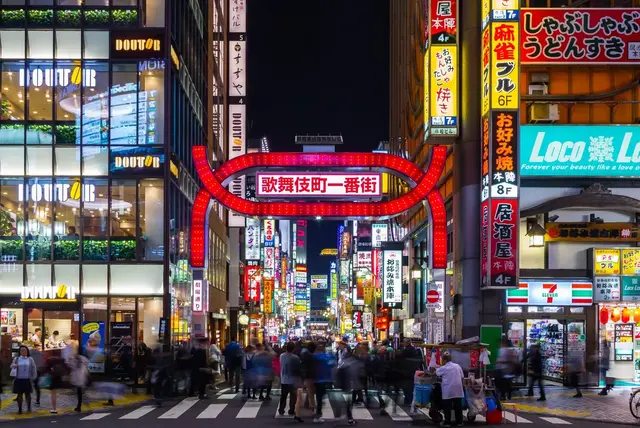
Shinjuku offers more variety, but it takes a little more judgment. The area covers everything from polished cocktail lounges and music venues to late-night bars and the dense streets of Kabukicho. If you are after one or two drinks and conversation before music, Shinjuku can be excellent. If you arrive with no plan and follow the loudest solicitation, it can become expensive or disappointing very quickly. A calm choice of venue beats a neon sign shouting for attention.
Roppongi remains a practical option for visitors looking for a more international crowd and larger late-night venues. It can work particularly well for celebrations or groups with mixed tastes. The trade-off is that the atmosphere can vary sharply from one block to the next, and a polished-looking entrance is not a guarantee that a venue is right for you. Ask about the cover charge and minimum spend before going in.
Golden Gai is sometimes described as an automatic Tokyo nightlife stop. It is memorable, but its very small bars are not ideal for every group. Two people who enjoy close quarters and a conversation with the bartender may have a lovely time. A group of six hoping to move together, however, will often have a better evening elsewhere.
What Makes Entry Go Smoothly
The most foreigner-friendly approach is also the most considerate one. Arrive reasonably early if the venue is known to get busy, bring a passport, and make sure everyone in your group is sober enough to communicate clearly. Staff need to know who is entering their space, not just who is ready for the next round.
Dress matters, although Tokyo does not have one universal club uniform. Clean shoes, tidy clothes, and a little effort are a safe bet. Sportswear, beachwear, or visibly messy clothing can create problems at more selective places. On the other hand, overdressing for a relaxed music bar can feel just as out of place. Check the mood of the neighborhood and keep it simple.
It also helps to understand the basic costs before you commit. A cover charge may include one drink, or it may not. Lockers, drink tickets, table seating, and late-night food are separate decisions. If anything is unclear, ask politely before paying. A translation app is useful for a menu or a short question, but do not expect it to solve every conversation in a noisy entrance line.
The Biggest Mistake: Treating Tokyo Like One Big Party District
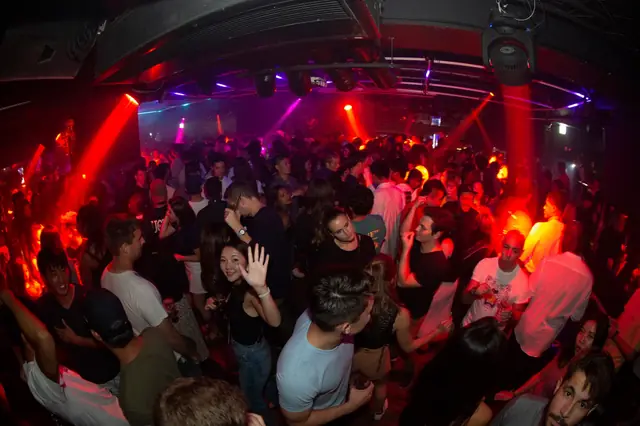
Tokyo nightlife is spread across many small worlds. A basement house-music club, a hip-hop venue, a hotel bar, and a neighborhood izakaya may all be within a few train stops of one another, yet they ask for completely different behavior. The city rewards a little intention.
Start with the evening you actually want. If your priority is dancing until late, choose a club known for the music you enjoy rather than selecting solely by online photos. If you want to talk, begin at an izakaya or cocktail bar and see where the night goes. If you are celebrating, decide early whether you want a table, a lively crowd, or simply a few well-chosen stops. Those are different experiences, with different budgets.
This matters for groups especially. One person may picture a packed dance floor while another wants cocktails in a quiet room. Trying to do both at once can create a long, expensive evening of taxis and compromise. A better plan is to choose one main atmosphere, then leave room for a change of pace if the group is still enjoying itself.
Language, Etiquette, and Feeling Comfortable
You do not need Japanese to enjoy a Tokyo club. Basic courtesy carries much further than perfect vocabulary. A smile, a clear request, and patience when staff are busy will serve you well. Do not assume that every person working at the door speaks English, and do not take a brief answer as rudeness. Loud rooms make communication difficult for everyone.
Inside, follow the venue rather than your assumptions. Some clubs are expressive and social; others have a more focused dance-floor culture. Avoid filming people without permission, especially in smaller places. Keep voices down in residential streets when moving between venues. And while Tokyo is generally orderly at night, watch your belongings and settle your tab carefully, just as you would in any major city.
The last train is another practical detail. Depending on the line and station, trains stop around midnight and begin again in the early morning. Missing one is not a disaster, but it changes the budget and the pace of the night. Decide whether you are heading home before the last train, taking a taxi, or staying out until service resumes. Make that decision while everyone is still fresh, not at 4 a.m. on a quiet sidewalk.
When Local Guidance Is Worth It
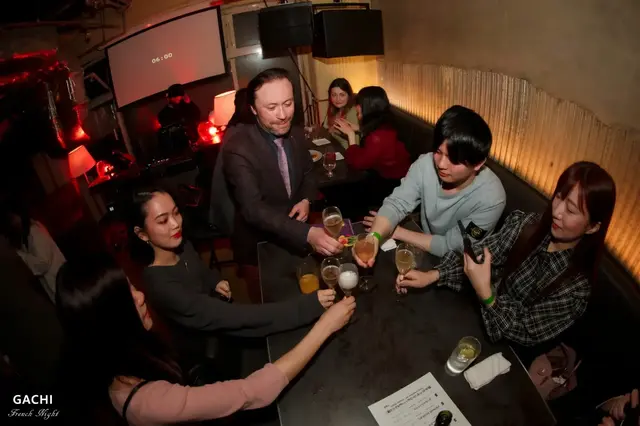
A private nightlife experience can be useful if you have limited time, a celebration to organize, or a group with different comfort levels. The value is not a promise of entry everywhere. It is having a realistic route, help understanding the tone and costs of each stop, and the flexibility to move on when a place is not the right fit.
At Japan BTO, we plan private Tokyo evenings around the kind of night you want, whether that means relaxed bars, cocktails, izakaya food, clubs, or a combination. Venue availability, group size, timing, and any optional special arrangements need to be confirmed in advance, because Tokyo nights do not run on a fixed script.
Tokyo is friendliest when you meet it halfway: arrive prepared, stay curious, and do not chase a single famous door. If you would like help shaping an evening that feels comfortable from the first drink to the trip back, we are happy to discuss what suits your group.