Your first day in Tokyo does not need to cover the whole city. A temple, a good meal and time to get your bearings can be a much better introduction than a long list of famous places. The first decision is simple: have you just stepped off a flight, or have you already had a night to settle in?
I’m Renaud, the founder of Japan BTO. Before suggesting a first-day route, I would start with your hotel location, your interests and how much energy you have. Asakusa is a lovely introduction to traditional Tokyo, but crossing the city to reach it is not a requirement on arrival day.
Arrival day: keep it close to your hotel
After a long flight, leave room for airport procedures, the journey into Tokyo and settling in. Check your hotel’s check-in time and whether you can leave your bags before your room is ready. Avoid building the afternoon around a timed attraction or an important restaurant reservation.
Once you have put down your luggage, choose a short walk near your accommodation and somewhere straightforward to eat. Find the station entrance you are likely to use, save your hotel’s location and get a feel for the surrounding streets. If you still feel fresh, extend the walk; if you are tired, that is already a useful first outing.
If your hotel is in Shinjuku or Shibuya, you can enjoy a first look at the neighborhood’s lights without adding a trip to Asakusa. Keep the more structured route below for your first full day.
Your first full day: Asakusa, lunch and Ueno
After a night in Tokyo, Asakusa and Ueno make a coherent introduction to the city’s eastern side. As a planning guide, allow around four to five hours for a relaxed temple visit, lunch and a short exploration of Ueno, using the metro between the two areas. This is not a fixed schedule: travel from your hotel, long meal queues and museum visits need extra time.
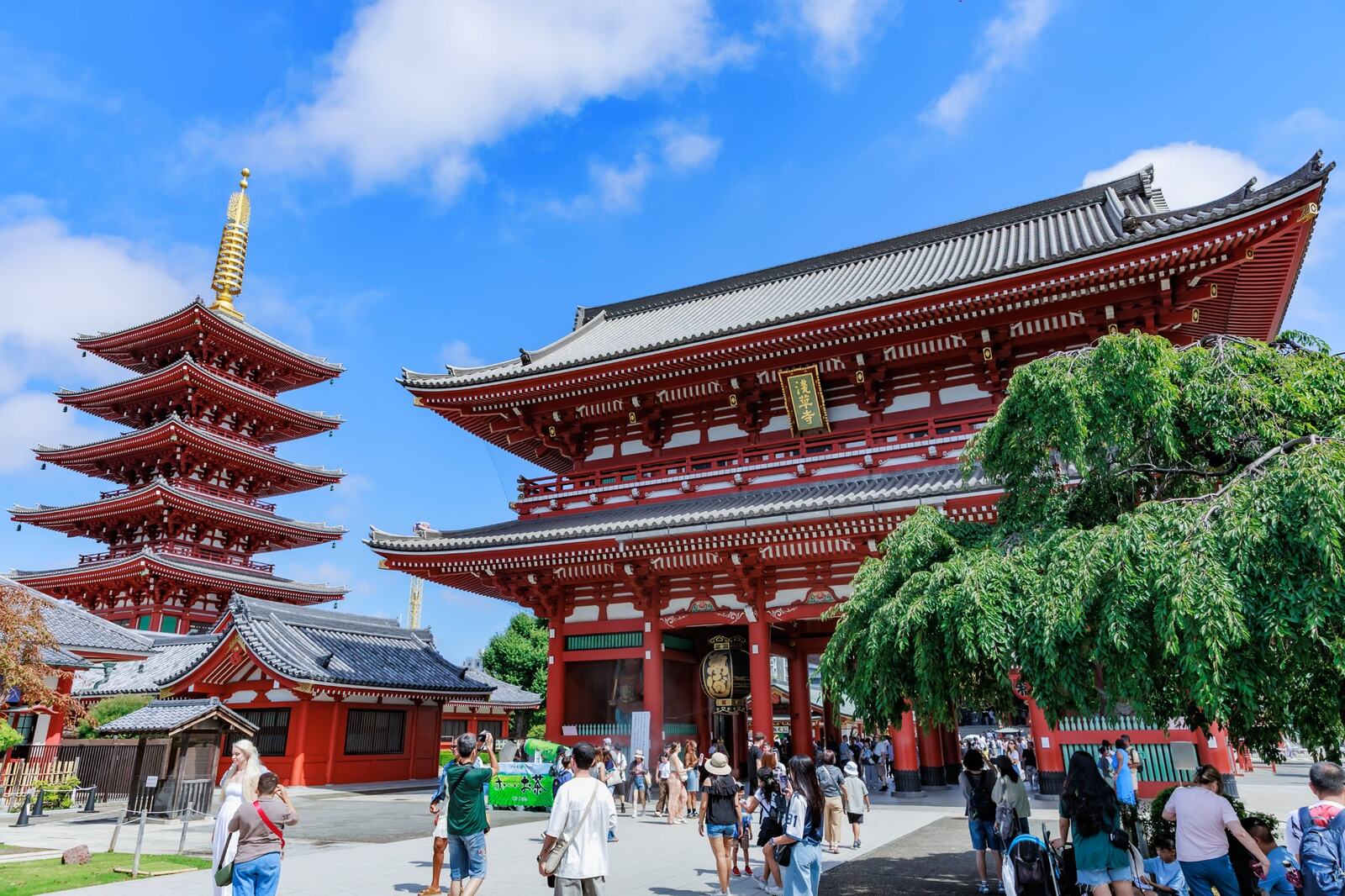
1. Start with Sensō-ji and the streets around it
Begin at Kaminarimon, walk along Nakamise and continue towards Hōzōmon and Sensō-ji. An early start can make the temple grounds more comfortable, although some shops may still be closed. If browsing is your priority, let that shape your timing rather than treating the earliest possible arrival as the only good choice.
Then step away from the busiest approach. Spend time in the side streets, notice the shopfronts and leave space for a small discovery. You do not need to visit every temple or photograph every gate. Our guide to temples and shrines explains the differences and the basic etiquette.
2. Have lunch before adding another neighborhood
Choose a meal that suits your appetite and your group: soba, tempura, curry, sushi or a simple set lunch. Your first full day does not depend on finding the city’s most famous counter. A comfortable meal without a long wait often makes the rest of the afternoon more enjoyable.
My advice: decide how much more you want to do after lunch. If Asakusa has given you enough for the day, stay nearby or head back. Ueno is a useful next step, not an obligation.
3. Take the Ginza Line to Ueno
The Tokyo Metro Ginza Line links Asakusa and Ueno without a change. Check the line and destination signs, and allow time for walking through the stations as well as the ride itself. Tokyo Metro’s official route and station guide is useful for planning, and our first-time subway guide explains the practical basics.
You can choose to walk between the neighborhoods if exploring on foot is part of the pleasure for you. That makes the day longer and adds walking before you reach Ueno, so I would not make it the default after a tiring journey or in uncomfortable weather.
4. Choose Ameyoko or a pause in Ueno Park
For lively shopping streets and everyday city life, explore Ameyoko, between Ueno and Okachimachi. If you prefer an outdoor break, choose a stroll in Ueno Park. Pick whichever suits your mood rather than trying to cover the entire area.
If a museum is a priority, make it a main part of the afternoon and shorten the rest of the route. Check opening days and admission arrangements before going. Several museums, a market walk and another major district are more than this relaxed first-day plan is designed to fit.
Ueno is a natural place to finish. Return towards your hotel for dinner, or stay nearby if you are comfortable. Shibuya or Shinjuku can be an optional evening extension for those with energy left, especially if they are near your accommodation; you have not missed the day by leaving them for tomorrow.
What I would leave for another day
- A citywide sightseeing marathon. Asakusa, Meiji Jingū, Harajuku, Shibuya, Shinjuku and Skytree do not all need to appear on your first-day list.
- A major observation deck by default. If the view is your main interest, plan around it; otherwise, compare the different Tokyo viewpoints and keep that visit for a day when the weather and your route fit.
- A tightly timed dinner on arrival day. Allow for an uncertain flight-to-hotel schedule. A special meal is easier to enjoy once you are settled.
- A long shopping mission. Browse if something catches your eye, but leave complicated purchases for when you have more time and attention.
If Asakusa is not your kind of starting point
Choose a different route rather than adding more stops to this one. Omotesando and Harajuku can suit an interest in fashion, design and contemporary streets. The Imperial Palace area is another starting option for spacious walks and architecture; it is not an extra stop on the Asakusa–Ueno route. For an anime or gaming focus, consider making Akihabara your main neighborhood.
Families and travelers with mobility needs may prefer one area, shorter distances and more seated breaks. Tell me what makes a day comfortable for you; a good first impression does not depend on the number of places visited.
A few practical things to sort out first
Wear comfortable shoes, carry water and keep your hotel’s address accessible. Take time to understand your first station and check which exit is useful for your destination. When you make a wrong turn, pause and check the signs rather than rushing to make up time.
If you would like help getting oriented, our Tokyo Private Tour: Temples, Culture & Modern City Highlights follows a private walking and public-transport route adapted to your interests and pace. Share your hotel area, arrival plans and priorities; I confirm availability and meeting arrangements personally before we settle on the day.