Tokyo does not often announce its older side with grand gestures. In Yanaka, Nezu & Sendagi: a walking guide to old Tokyo, the appeal is smaller and more human: a temple bell beyond a low wall, a cat watching from a doorway, an ordinary shopping street where people are buying dinner rather than souvenirs.
This pocket of northeastern Tokyo is often grouped together as Yanesen, a name made from the first characters of Yanaka, Nezu, and Sendagi. It is a good choice if you want a slower half-day away from the brightest signs and biggest intersections. That does not mean it is frozen in time. These are lived-in neighborhoods, and that is exactly why they work.
Why Yanaka, Nezu, and Sendagi Feel Different
Much of Tokyo was rebuilt after the 1923 Great Kanto Earthquake and World War II. This area retained more of its prewar street pattern than many central districts, though it has changed plenty over the decades. Narrow lanes still bend around temples, small homes, workshops, schools, and modest local businesses. The result is not a museum version of old Tokyo. It is a neighborhood where history and daily routines occupy the same few blocks.
Come here for atmosphere rather than a checklist of major attractions. A visitor who needs nonstop landmarks may find the area too quiet after an hour. But for couples, solo travelers, families with older children, and returning visitors who enjoy noticing details, it can be one of Tokyo's most rewarding walks.
The trade-off is simple: Yanesen rewards wandering, but wandering can become tiring or vague without a sensible route. The streets are compact, yet stops accumulate. A route that includes Yanaka Ginza, Yanaka Cemetery, several temples, Nezu Shrine, and Sendagi's side streets is comfortably a half-day at an easy pace. Add a long lunch, shopping, or a museum, and it can fill most of the day.
Start in Yanaka, Then Let the Pace Settle
Nippori Station is a practical starting point for many visitors. From there, the walk quickly leaves the station area behind and heads toward Yanaka Ginza, a traditional shopping street with produce stalls, snack counters, small cafés, and neighborhood shops.
Yanaka Ginza can be busy, especially on weekends. It is pleasant, but it is not an untouched secret lane, and that is fine. The useful approach is to treat it as an introduction rather than the whole experience. Browse slowly, pick one or two snacks if something catches your eye, then turn into the quieter streets nearby.
At the western end sits the staircase commonly known for its sunset view. The view itself depends on weather, season, and timing, so do not build an entire day around a dramatic photograph. Still, it is a good place to pause and see how the neighborhood falls away toward the wider city.
Temples and Yanaka Cemetery
Yanaka has a remarkable concentration of Buddhist temples. You do not need to visit every gate or try to identify every architectural detail. A better rhythm is to enter one or two temple grounds respectfully, notice the contrast with the street outside, and leave room for the unplanned moments between them.
Yanaka Cemetery is part of that rhythm. Its broad paths, mature trees, and family graves make it a peaceful place to walk, but it remains an active cemetery, not a themed attraction. Keep voices low, stay on the paths, and avoid treating graves as photo props. In spring, the main cherry-lined path attracts visitors, but the cemetery is worth passing through in quieter months too.
This is also where good pacing matters. Temple grounds and cemetery paths are lovely but can feel repetitive if your group is more interested in food, design, or contemporary Tokyo. A private route should adjust rather than insist that every historic stop deserves equal time.
Continue to Nezu Shrine for a Clear Change of Scene
From Yanaka, Nezu Shrine makes a natural next stop. The walk takes you through residential streets where navigation is part of the experience. This is not difficult terrain, but it is not the best area for rushing from one timed reservation to another.
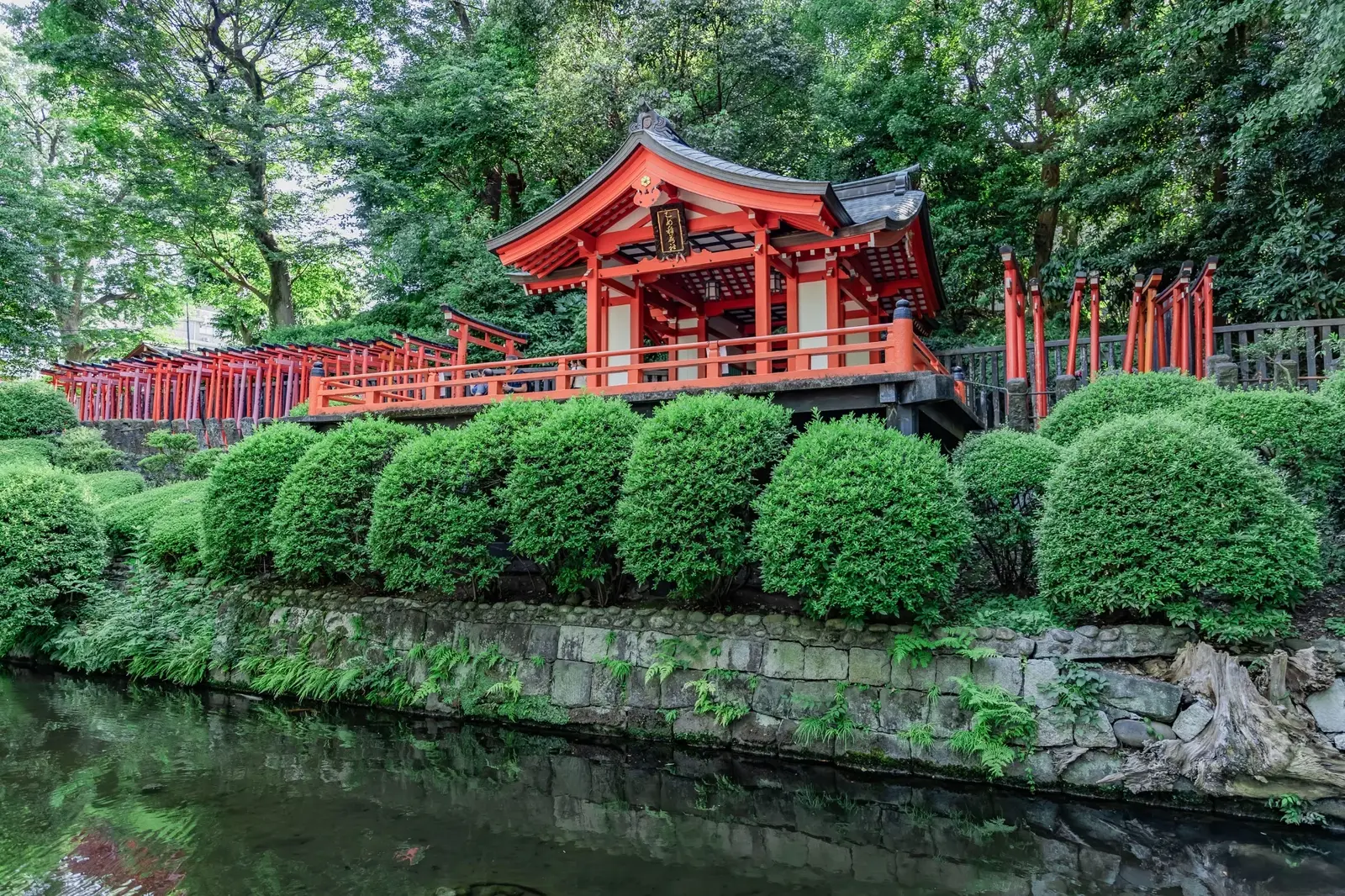
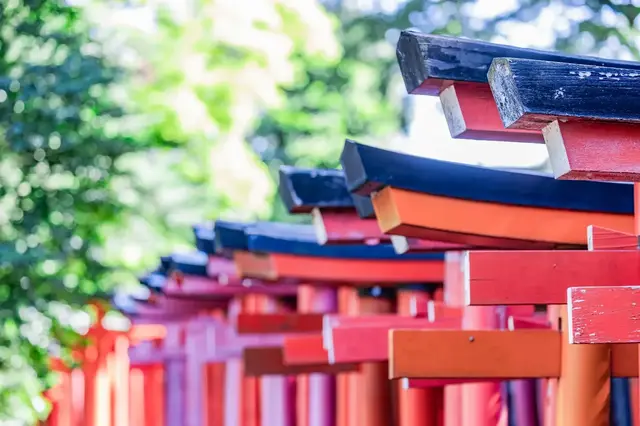
The shrine is known for its vermilion torii gate tunnel, which is smaller and more intimate than the famous version in Kyoto. It photographs well, naturally, but the most enjoyable visit comes from looking beyond it: stone lanterns, wooded slopes, shrine buildings, and the way the grounds create a pocket of calm beside busy city roads.
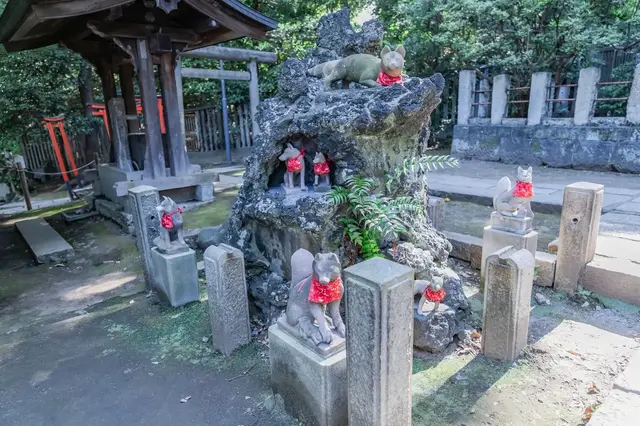
A few basic shrine customs go a long way. At the purification fountain, rinse your hands before approaching the main building if you choose to take part. At the offering box, a quiet bow is appropriate. You do not need to copy rituals you do not understand, and nobody expects visitors to perform them perfectly. Respectful observation is enough.
The grounds include slopes and uneven surfaces in places. Travelers using a wheelchair, anyone with limited mobility, or families managing a stroller should check the route carefully before committing to this section. Tokyo's older neighborhoods are appealing partly because they were not designed around modern accessibility.
Let Sendagi Be the Less Scheduled Part
Sendagi has fewer headline sights than Yanaka or Nezu, which makes it useful. It gives the walk breathing room. Think old wooden houses beside newer apartments, little galleries, bookshops, bakeries, and narrow streets that invite a slower look.
This is the section where a guide can add real value, not by claiming that every corner is secret, but by helping you choose what fits your interests. A food-minded visitor may prefer a short stop for coffee and a local sweet. Someone interested in architecture may want to spend more time looking at renovated townhouses and the boundaries between old and new construction. A family may need a proper sit-down break rather than another lane with excellent texture.
It is also wise to keep expectations flexible. Independent shops can have irregular hours, limited seating, or sudden closures. Avoid planning a route around one specific café unless you have confirmed that it is open. In Yanesen, a good backup is often just around the next corner.
A Practical Yanaka, Nezu & Sendagi Walking Route
For a first visit, allow around four to five hours including a relaxed food stop. Start near Nippori Station, walk through Yanaka Ginza and the surrounding temple streets, pass through Yanaka Cemetery, continue toward Nezu Shrine, then end around Sendagi Station or Nezu Station depending on where you are headed next.
The distance itself is manageable for most active visitors, but it is the stopping that stretches the day. Streets are narrow, surfaces can be uneven, and there are stairs around some of the more photogenic viewpoints. Wear shoes you would be happy to stand in for several hours. This is not the day for new leather shoes, however convincing they looked in the hotel room.
Morning is often the calmest time to begin. By late morning, shopping streets and popular food counters become more active. Weekdays generally feel more local and less crowded, while weekends bring a livelier mood and more people taking the same photographs. Neither is universally better. It depends on whether you want quiet observation or more neighborhood energy.
Bring a little cash as well as a payment card. Tokyo is increasingly card-friendly, but small independent shops may have their own preferences. For food, choose what looks good in the moment rather than trying to build an elaborate eating itinerary. A snack, tea, and later lunch often suit this style of walk better than one heavy meal early on.
What to Pair With Yanesen, and What Not to Force
Yanesen works particularly well with Ueno, since the areas are close enough to connect by train or a longer walk. Ueno adds museums, park space, and a more energetic market atmosphere. Pairing the two makes sense for travelers who want a fuller day with both cultural institutions and neighborhood streets.
It is less sensible to bolt Yanesen onto Shibuya, Shinjuku, or Odaiba in the same afternoon simply because they are all in Tokyo. You can do it by train, of course, but the mood changes sharply and the travel time breaks the spell. Give this area the unhurried portion of your itinerary, then save the giant crossings and neon for another day.
For travelers who would rather not work out every turn, Japan BTO can shape a private Tokyo walking day around Yanesen's temples, food stops, pace, and your wider plans. The route can stay quiet, or it can lead naturally into another part of the city without turning the day into a race.
Leave a little empty space in this neighborhood. The best part may be the temple gate you did not plan to enter, the small shop you noticed after taking a wrong turn, or ten quiet minutes with a coffee while Tokyo gets on with its day.